
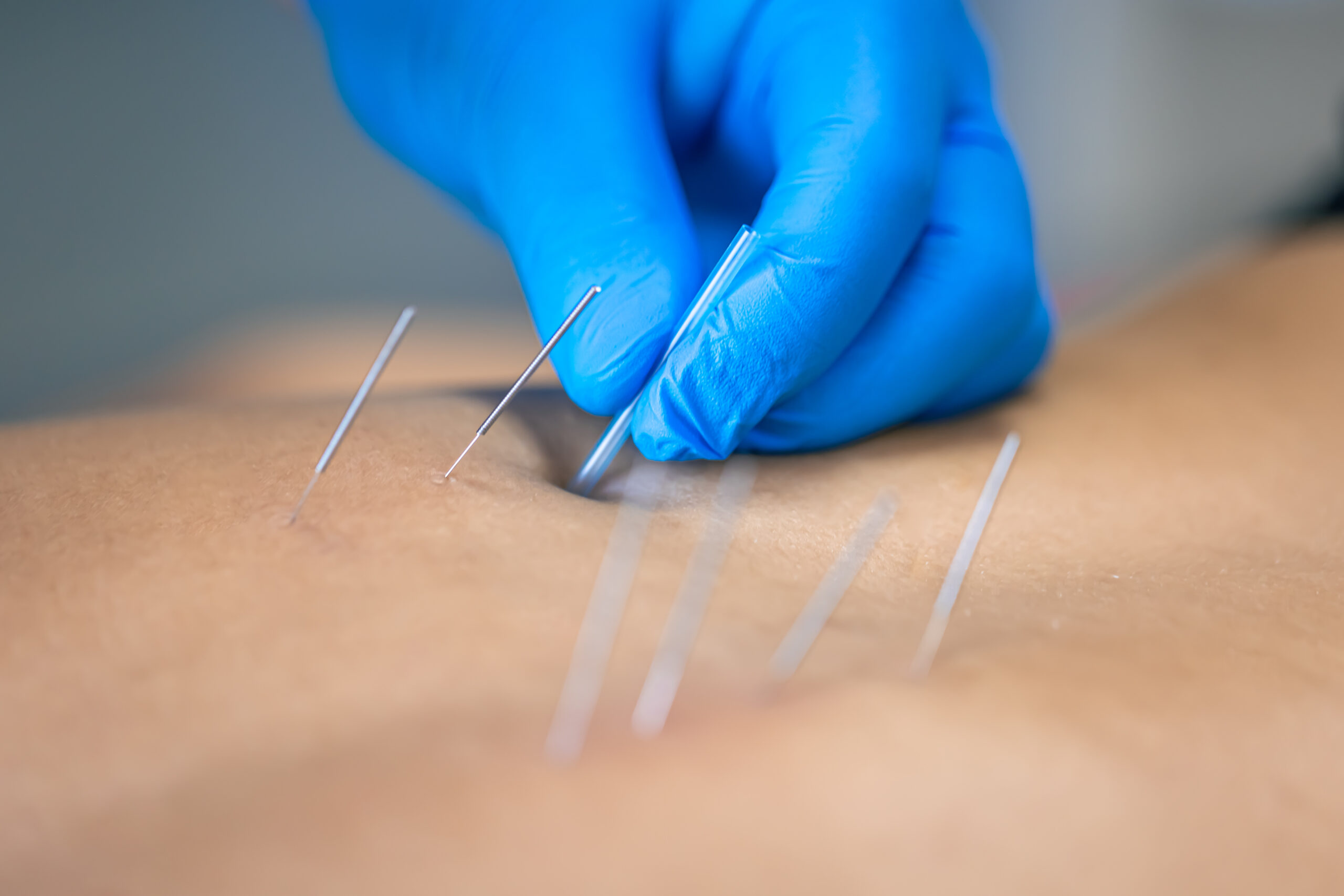
Acupuncture and Dry Needling: What’s the Difference, and Which One Do You Need?
If you are visiting some physiotherapy or chiropractic clinic, including the famous Physio Chiro, you will hear about two famous pain removal techniques used side by side. Acupuncture and dry needling, which is not a famous technique but is often shown in Chinese dramas to kings and queens to lessen the body pain. As the name suggests, both these techniques are done using some needles, not the ordinary ones though. Both are part of rehabilitation techniques and help to lessen the stiffness. So, it’s normal to ask this question – whether they look and feel the same. And if they are the same, what makes them different? The truth is they appear to be similar, but underneath they are different and work differently for relieving pain. Let’s understand the basic difference between the two and how both of these techniques work.
What Is Acupuncture?
Acupuncture is one of the ancient techniques used to heal and relax in traditional Chinese medicine. It uses your body as a map to connect pathways that carry energy known as ‘Qi’ throughout the system. Chinese chiropractors and therapists believe that if the energy is blocked or the pathway is obstructed, it will result in pain and discomfort. Hence, to release the pain, acupuncture therapy uses ultra-fine needles that can stimulate the pain points along the path to restore the balance, to heal and to improve the blood. It’s a gentle way to treat the entire system and connect the flow of energies, thus rebalancing the entire body. Acupuncture is commonly used in –
- Relieving chronic conditions
- Stress and anxiety and to release emotional tension
- Headaches and migraines
- Digestion problems, sleep issues
- And to maintain overall well-being and energy restoration.
It’s a simple and quiet technique that resets the whole body – calming, restoring and grounding the whole self.
What Is Dry Needling?
In comparison to acupuncture, dry needling is a modern take on traditional Chinese medicine. It’s a scientific approach that focuses on treating physical aspects of the body. It’s based on western medicine to restore the body functions, especially working on the muscles. In the previous ones, we targeted energy flow; in this, the main target is the trigger points. These points are often tender and tight and need to be released to lessen the pain. Knots and stiffness can result in discomfort and limited body movements. The right chiropractor and physiotherapist will insert a thin needle into the pressure points or knot to release the pain, often resulting in a “twitch” response. The twitch is the sign of release and makes the body better. This technique is mostly used for –
- Treating sports injuries
- Stiffness in body or muscle spasms
- Localised pain, tensions
- Postural issues
- Mobility issues
Hence, dry needling is the modern yet scientific version to target the stubborn pain points.
How Are They Different?
What makes these two techniques different? Well, they both use needles, but their goals and approaches are different.
Acupuncture is the traditional way of treating the system from within, balancing the energy flow and improving long-term health problems. It basically follows a holistic approach, and the physiotherapy sessions are calming and therapeutic and aim to lessen the pain along with stress, mood swings and overall health.
Dry needling, on the other hand, is the foreign version that follows a mechanical approach to lessen the pain from outside. It works on specific body parts like tight muscles to release tension, lessen the pain and improve mobility problems. It’s a little bit strong, but the effects happen quickly.
So, acupuncture aims to create harmony in the whole system, and dry needling will help you fix the exact spot that is triggering the problem. From the physiotherapy point of view, both are effective and serve different purposes.
Which One Is Right for You?
Get the right help from the physiotherapists from the Physio Chiro clinic to understand what your body needs. Based on the evaluation,
- Acupuncture will help you in calming the whole body and dealing with stress, headaches and sleep disorders. And if you prefer calming sessions to treat the body from within, choose this therapy.
- But dry needling works best for treating persistent pain points, muscle spasms or knots. This is a quick and targeted pain relief method to recover from sports injuries or damages from a big accident.
Doctors will advise the right therapy based on the thorough check-ups and assessment because no treatment fixes all.
Conclusion
Hence, we can say both are mirror techniques that take the modern as well as ancient approach to treat the body issues. They might look the same with needles but work differently. It’s like two different languages using the same set of alphabets. One is all about the energy flow, and the other is about managing the trigger points. But their main aim is to lessen the pain, improve body movement and increase freedom in the body.
Advance Physiotherapy, Chiropractic & Osteopathy Treatment
Newsletter
Subscribe Us